

Last reviewed: 21 October 2026 against National Museums and Monuments of Zimbabwe (NMMZ) visitor information, the official Zimbabwe Parks and Wildlife Management Authority (ZimParks) 2026 tariff, the websites of the hotels and attractions we name, and World Meteorological Organization climate normals. We removed opening hours, prices and business names we could not confirm. Full list under Sources.
Why visit Bulawayo
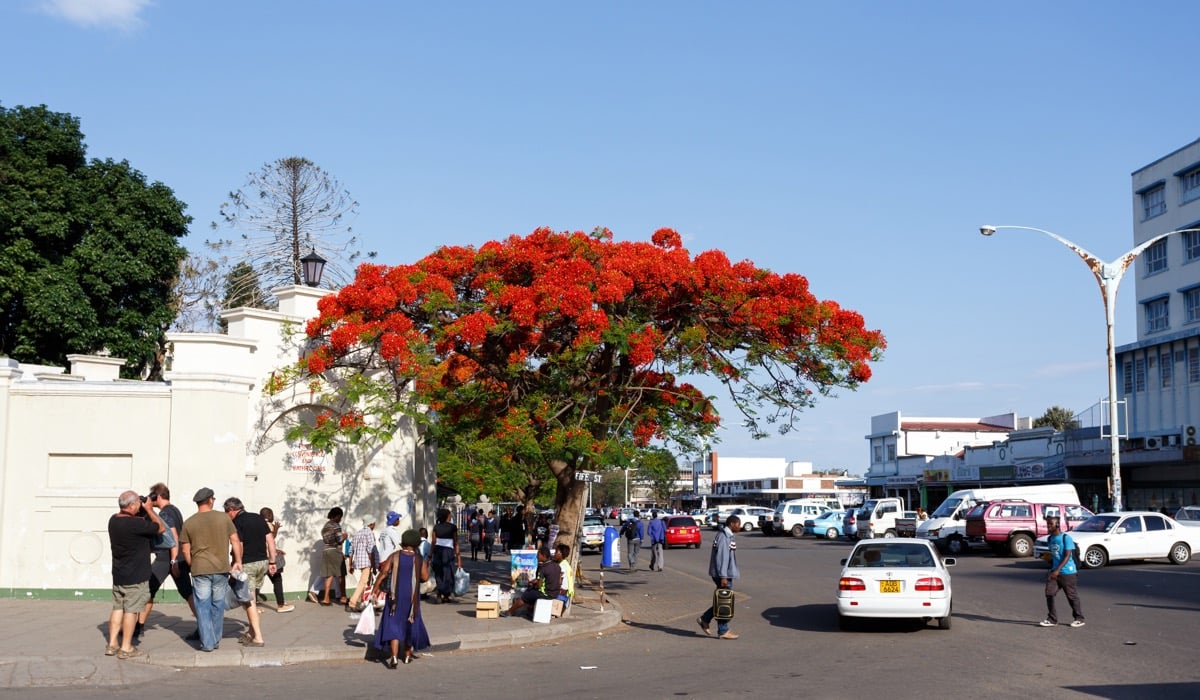
Often overlooked in favour of Victoria Falls or Harare, Bulawayo rewards visitors with:- Wide, tree-lined streets, traditionally said to have been laid out wide enough to turn a full span of oxen
- Colonial-era architecture in the city centre
- Ndebele heritage, as the successor to King Lobengula’s royal town
- Museums, including the Natural History Museum and the Railway Museum
- A lively arts scene, from Mzilikazi’s art centre to the Intwasa festival
- Easy access to Matobo Hills and Khami
- A friendlier pace than the capital
Top attractions
Museums and historical sites
Natural History Museum
NMMZ’s museum for western Zimbabwe, in Centenary Park. It holds large natural history collections, with mammal, bird and geology galleries, plus archaeology and history displays.Details:
- NMMZ lists its museums as open daily, 8:00 to 16:30
- NMMZ entrance fees range up to US$15, so check the price at the door
- Allow two to three hours
Railway Museum
Owned by National Railways of Zimbabwe (NRZ), behind Bulawayo station in the suburb of Raylton. The collection of steam locomotives and rolling stock includes Cecil Rhodes’ private railway coach.Details:
- We could not confirm current opening times or fees, so check locally before you go
- Allow one to two hours
City centre and City Hall
The grid of wide streets around City Hall holds much of Bulawayo’s colonial-era architecture. A statue of Joshua Nkomo, the nationalist leader often called “Father Zimbabwe”, stands at the junction of Main Street and 8th Avenue.
- Best explored on foot during the day
- Many older buildings are offices, so view them from outside
Bulawayo Club
A historic building that is still a working gentleman’s club, with 15 guest rooms and a restaurant, according to the club.
- Location: corner of 8th Avenue and Fort Street
- Ask the club whether non-members can visit or dine
Cultural attractions
National Gallery in Bulawayo
The Bulawayo branch of the National Gallery of Zimbabwe, showing contemporary Zimbabwean art. Contact the National Gallery for current exhibitions, hours and admission.
Amakhosi Cultural Centre
A long-established performing arts centre for theatre, dance and music. Its website was not live when we checked, so ask locally about the performance schedule.
Mzilikazi Art and Craft Centre
A long-running art and craft school in Mzilikazi township, named after King Mzilikazi. Sculptor Adam Madebe trained and later taught ceramics here. Ask locally about visiting the studios and buying students’ work.
Old Bulawayo
A heritage site south of the city with a reconstruction of King Lobengula’s royal town. Check with National Museums and Monuments of Zimbabwe (NMMZ) that it is open before you make the trip.
Parks and recreation
Centenary Park and Central Park
- Public parks in the city centre, next to the Natural History Museum
- Good for a walk or picnic
- Two small dams in the suburbs, with walking paths and birdwatching
- Check the entry fee at the gate
- A small ZimParks sanctuary about 10 km south of the city, on the road to Matobo
- Plains game such as giraffe, zebra and antelope, and good birding
- 2026 ZimParks conservation fee: US$12 international, US$10 SADC, US$3 Zimbabwean per day
Neighbourhoods to explore
City centre
City centre
The historic heart of Bulawayo, laid out on a grid of wide streets with colonial-era buildings, banks and shops.
- Compact and walkable during daylight hours
- Most museums are within walking distance or a short taxi ride
Suburbs
Suburbs
The leafy suburb east of the centre, home to the Natural History Museum and many guesthouses in older houses.
Mzilikazi and Makokoba
Mzilikazi and Makokoba
Two of Bulawayo’s oldest townships, with Mzilikazi’s art centre and Stanley Square. Best visited with a local guide.
Ascot and Bradfield
Ascot and Bradfield
Suburban shopping centres with supermarkets, banks and cafés, used by locals for everyday shopping.
Food and dining
Bulawayo has a mix of local eateries, hotel restaurants and cafés, mostly in the city centre and the suburban shopping centres. Restaurants open and close often, so check recent reviews or ask your hotel. Dining tips:- Many restaurants close early in the evening, and some close on Sundays
- Try local dishes such as isitshwala (maize meal) with relishes
- Bulawayo has had long periods of water rationing, so carry bottled water
Accommodation
Hotels we could confirm on their operators’ own websites:
- Holiday Inn Bulawayo, run by African Sun, about 2 km from the city centre next to the Ascot racecourse
- Bulawayo Rainbow Hotel, run by Rainbow Tourism Group (RTG), in the city centre
- Bulawayo Club, a historic gentleman’s club with 15 guest rooms
Practical information
How much time to spend
How much time to spend
- Minimum: one to two days for the main city sights
- Comfortable: three days, to include Matobo Hills
- Extended: four to five days, using Bulawayo as a base for the region
- Day 1: city centre, Natural History Museum and Railway Museum
- Day 2: full day in Matobo Hills
- Day 3: Khami and the Mzilikazi Art and Craft Centre
Getting there and around
Getting there and around
Getting there:
- By air: Joshua Mqabuko Nkomo International Airport is about 22 km north of the city centre. See our airport guide
- By road: about 439 km from Harare and 439 km from Victoria Falls. See travel distances
- By bus: intercity buses run from Harare and Victoria Falls
- By rail: passenger services are limited and often suspended, so check before you plan around them
- The city centre is walkable by day
- Taxis are unmetered, so agree the fare first
- Hire a car or join a tour for Matobo and Khami
Money
Money
US dollars are widely used, and the local currency, Zimbabwe Gold (ZiG), also circulates. Bring small US dollar notes and don’t rely on ATMs accepting foreign cards. See our currency and money guide.
Safety and etiquette
Safety and etiquette
Safety tips:
- Take normal urban precautions and keep valuables out of sight
- Avoid isolated areas after dark
- Greet people before getting down to business
- Ask before photographing people
- Dress conservatively in official buildings
Day trips from Bulawayo
Matobo Hills National Park
UNESCO World Heritage site about 35 km south of the city, with granite kopjes, rock art, rhino tracking and World’s View.
- Allow a full day
- 2026 ZimParks conservation fee: US$18 international, US$14 SADC, US$4 Zimbabwean for a day visit
- Take a licensed guide for rhino tracking and rock art
Khami Ruins
UNESCO World Heritage site about 22 km west of Bulawayo. Khami was the capital of the Torwa state after Great Zimbabwe declined, from about the mid-15th to the 17th century.
- Half-day trip from Bulawayo
- Entry fee set by NMMZ (up to US$15), so check at the site
- Limited facilities, so bring water
Chipangali Wildlife Orphanage
A wildlife orphanage founded in 1973 that cares for injured, seized and orphaned animals. It is about 31 km from the city centre, around 30 minutes’ drive, according to Chipangali.
- Open Tuesday to Sunday, 8:00 to 17:00. Closed on Mondays, and on Christmas Day
- Entry: US$6 adults, US$5 children under 13
Best time to visit
Bulawayo is drier than Harare, with about 574 mm of rain a year. Average figures from the World Meteorological Organization (WMO):April to May
- Average highs of 24 to 26°C, lows of 10 to 13°C
- The rains have usually ended
- Average highs of 22 to 24°C, lows of about 7 to 9°C
- Almost no rain and clear skies. Bring layers for cold mornings and evenings
- Average highs of 28 to 29°C, the hottest time of year
- Jacarandas flower in the city
- Average highs of 27 to 29°C, with most rain falling in afternoon storms
- Zimbabwe International Trade Fair (ZITF): held in Bulawayo in late April. The 2026 fair ran from 20 to 25 April
- Intwasa Arts Festival koBulawayo: held in late September. The 2025 festival ran from 23 to 27 September
Bulawayo for different travellers
History enthusiasts
- A walk around the colonial-era city centre
- The Railway Museum
- The Natural History Museum
- Khami and Old Bulawayo
Culture seekers
- Mzilikazi Art and Craft Centre
- The National Gallery in Bulawayo
- Performances at Amakhosi
- The Intwasa festival in September
Families
- The Natural History Museum
- Chipangali Wildlife Orphanage
- Centenary Park
- The Railway Museum’s locomotives
Budget travellers
- Guesthouses in the suburbs
- Self-guided walks around the city centre
- Local eateries and markets
Shopping
Where to buy crafts
- Mzilikazi Art and Craft Centre: pottery, sculpture and other work by its artists
- Markets and roadside sellers: crafts across the city (bargaining expected)
- Ndebele beadwork: distinctive geometric patterns
- Stone sculpture and wood carvings
- Basketry
- Bargaining is expected at markets, not in formal shops
- Check quality carefully
- Zimbabwe protects antiquities, so don’t buy items that may be old artefacts
Sources
- National Museums and Monuments of Zimbabwe (NMMZ) — Visit, accessed 21 October 2026
- UNESCO World Heritage Centre — Khami Ruins National Monument, accessed 21 October 2026
- Zimbabwe Parks and Wildlife Management Authority (ZimParks) — De-Gazetted Tariff 2026, published February 2026, accessed 21 October 2026
- Chipangali Wildlife Orphanage — Visit Chipangali, accessed 21 October 2026
- Bulawayo Club — official site, accessed 21 October 2026
- African Sun — hotels, accessed 21 October 2026
- Rainbow Tourism Group (RTG) — hotels, accessed 21 October 2026
- National Gallery of Zimbabwe — official site, accessed 21 October 2026
- Wikipedia — Bulawayo Railway Museum, accessed 21 October 2026
- The Herald — Tracing the roots: how Bulawayo’s townships reflect the city’s Ndebele heritage, accessed 21 October 2026
- Wikipedia — Adam Madebe, accessed 21 October 2026
- ATTA — ZITF 2026 generates over US$600 million in business, dated 27 April 2026
- AllAfrica — Dancing in a time of grief: Intwasa pushes on, dated 6 October 2025
- World Meteorological Organization — World Weather Information Service, Zimbabwe, accessed 21 October 2026